

New “Assistive” Device Is Helping Veterans With Hand Weakness
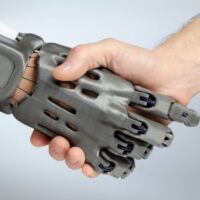
A new “assistive device” called Carbonhand is helping veterans with hand weakness, a common issue among countless former service members. Hand weakness can stem from neurotoxin exposure, carpal tunnel syndrome, and many other service-related health issues. If you want to explore options like this and you’re struggling to access benefits, consider speaking with an experienced VA disability benefits lawyer in Washington.
How Assistive Devices Help Veterans With Hand Weakness
Carbonhand is just one example of an assistive device that may help with hand weakness. While only 100 veterans have utilized this device thus far, it shows incredible promise and makes everyday tasks much easier. One veteran told reporters that before Carbonhand, he was unable to grab a bottle without using his other hand to support the weight.
VA doctors across the United States are now prescribing Carbonhand to veterans with reduced hand strength. The device can help veterans with issues like spinal cord injuries, amyotrophic lateral sclerosis, and multiple sclerosis. It also benefits survivors of strokes and nerve injuries. These are common issues among the veteran population today.
Why Is Hand Weakness So Common Among US Veterans?
Hand weakness is a common issue among veterans for various reasons. One particularly well-known culprit is Agent Orange, a type of weapon used in the Vietnam War that is linked heavily with peripheral neuropathy. This issue can not only cause weakness in the hands, but also severe pain and numbness. Often, this issue becomes worse and worse as the years go by.
In other situations, hand weakness stems from carpal tunnel syndrome or general “wear and tear” of the delicate joints in the hand. Soldiers often work heavily with their hands, whether they’re sitting in front of a keyboard or manually operating weapon systems.
Jet fuel exposure may also cause nerve issues that eventually lead to hand weakness. The problem with these nerve issues is that some of them are exceedingly rare. As a result, they are not on the VA’s official list of “presumptive conditions,” requiring injured veterans to submit considerable evidence when filing their applications and appeals.
As advanced as modern assistive devices can be, they often fail to address the root of the problem: Severe nerve damage that worsens with age. Something like Carbonhand might help a veteran for a few years, but what happens when their nerve problems get worse? In this situation, it may make more sense to explore options like neuromuscular re-education and sensory exercises. That said, assistive devices at least help veterans carry out daily tasks as they heal.
Can a VA Disability Benefits Lawyer in Washington Help Me?
If you’re struggling with hand weakness or a similar issue, you might benefit from an assistive device. As a veteran who has served their country, you deserve access to the best assistive technology and prosthetics available. Consider speaking with an experienced VA disability benefits lawyer in Washington if you need to push back against denied claims. Gustad Law Group, PLLC serves veterans in Seattle, Spokane, and Tacoma.
Source:
https://news.cision.com/bioservo-ab/r/100-u-s–veterans-fitted-with-bioservo-s-carbonhand–supporting-greater-independence-in-daily-life,c4393418